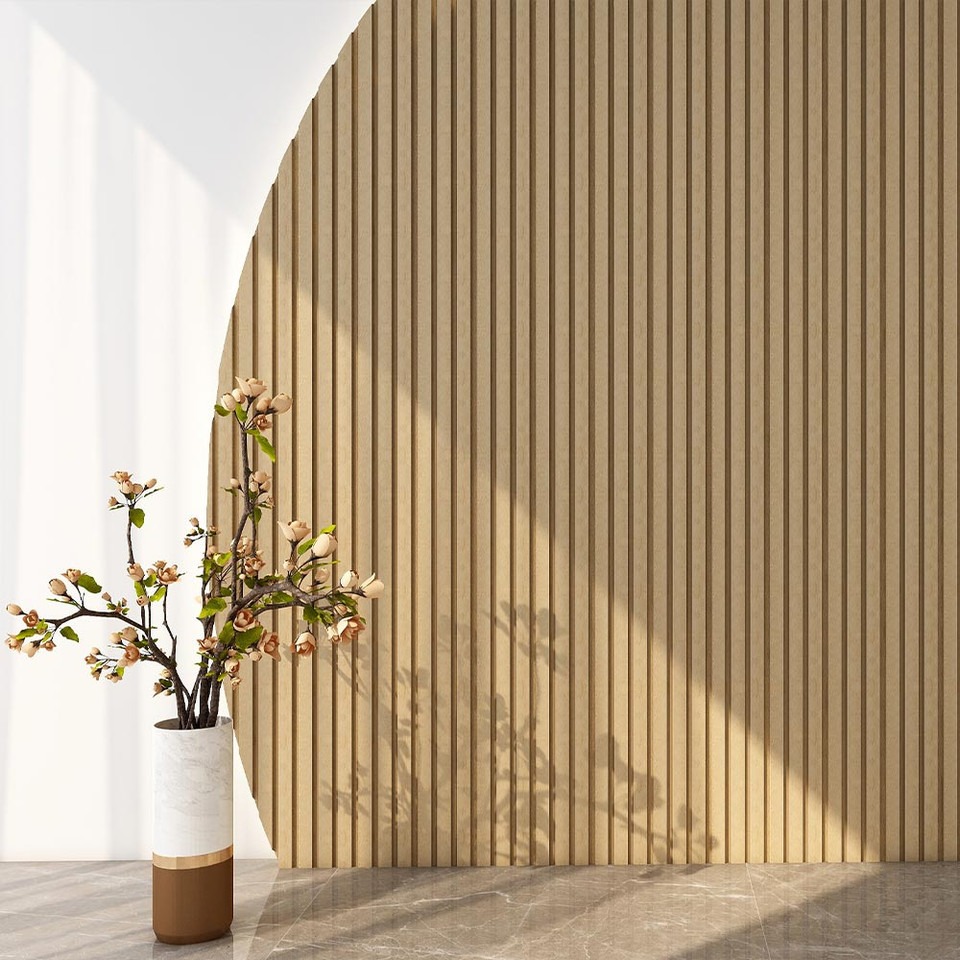
Wall Paneling Ideas: 18 Styles To Decorate Your Home
Have you ever felt that your room looks incomplete despite having beautiful furniture and décor? The problem might be your walls. Wall panels are high in demand interior design solutions that are known for their aesthetic styles, modern looks, and elegance. Increasing interest for wall panels in Dubai is particularly strong across luxury developments, with residential projects contributing around 40–50% of market volume and commercial hospitality spaces accounting for another 30–40%. This growth is fueled by the increasing preference for premium wall finishing solutions.
Wall panels are widely used in homes, offices, hotels, industrial buildings, educational institutions, commercial properties, and hospitals. These eye-catching designs combine sophistication with unique craftsmanship, creating interiors that stand out with timeless beauty and exceptional style.
In this guide, you will explore different wall paneling ideas that turn your ordinary place into something truly extraordinary. With its elegant features and refined details, it enhances overall appearance and sets the space apart.
18 Wall Paneling Ideas For Dubai Homes
Whether you're upgrading a single room or renovating your home the right wall paneling gives your space an expensive look. These 18 stylish ideas offer inspiration for every homeowner.
1.Accent Wall Paneling
An accent wall panel is a decorative paneling solution that is commonly installed in areas such as bedrooms, places behind the sofa, dining room, to enhance the visual appeal of the space. These panels add architectural characters to a room.Accent wall panels spread in a wide range of styles like 3D panels, geometric styles that are bold and attractive. They are ideal for living rooms, bedrooms, offices and studies where they help create a cohesive environment. Some accent panels reduce noise or improve acoustic performance and hold a comfortable zone.
2.3D Wall Paneling
3D wall panels are designed to transform plain, flat walls into striking architectural features by adding depth, texture, and shadow. Their raised patterns interact with both natural and artificial light, providing a dynamic three-dimensional effect that changes throughout the day. Unlike paint or wallpaper, 3D wall panels add visual interest and make any space feel more elegant and distinctive.
3.Geometric Wall Paneling
Geometric wall panels feature patterns such as triangles, squares, hexagons, diamonds, honeycomb designs, and intersecting lines that add symmetry and architectural detail to a space. These are formed by positioning different section panels or patterns are created using carefully arranged panel sections or routed 3D designs. Square motifs give a clean and structured look, triangle designs add a contemporary touch, hexagonal panels bring a modern and artistic vibe, while diamond shapes introduce elegance and symmetry to the space.
4.Textured Wall Paneling
Designed with rigid or semi-rigid decorative surfaces, these panels add physical depth, texture, and tactile appeal to any space. Textured wall panels are available in a variety of finishes, each offering a unique appearance and purpose. Leather wall panels create a premium look. Velvet wall panels are valued for their luxurious and soft touch. Wavy panels feature flowing, curved formations that add a sense of movement and make them a dynamic focal point in both residential and commercial spaces.
5.Wood Wall Paneling
Wood wall paneling made from solid wood, engineered wood, reclaimed timber, or wood veneer. The natural grain and rich finish of wood lend an elegant touch to both classic and contemporary interiors. In addition to their visual appeal, wood wall panels provide natural thermal insulation and can improve acoustic comfort. They are an excellent choice for farmhouses, traditional homes, luxury residences, industrial-style interiors, offices, and hospitality spaces.
6.Slat Wall Paneling
Slat wall panels consist of evenly spaced strips arranged vertically or horizontally on a solid backing, giving the wall a neat and modern look.They come in materials like natural wood, MDF, WPC, PVC, and wood veneer, allowing them to work across a variety of home and work places.
Inspired by Scandinavian and Japandi design styles, slat wall panels are widely used in living areas, offices, hotels, and luxury spaces. Vertical slats create the illusion of higher ceilings, while horizontal slats make walls appear wider and more spacious.
7.Chevron Wall Paneling
Chevron wall panels feature angled planks cut at 45° or 60° and joined together to form a continuous V-shaped pattern with no gaps between the pieces. These panels have a special layout. Repeating the same design adds more detail to the surface. As a result, a simple wall can become a key part of the room.
8.Herringbone Wall Paneling
Herringbone panels have rectangular planks that meet at 90-degree angles. The end of each plank joins the side of the next one without cutting the ends at an angle. Together, they form a staggered zigzag pattern. The angled structure makes the wall more interesting without making it look too messy.
9.Grid Wall Paneling
These wall panels use straight strips that run up, down, and across the wall. When they meet, they create square or rectangular sections. The strips are measured and lined up carefully so every section looks even. They join at right angles to form a simple grid design. You can install them with adhesive, nails, or screws based on the wall type. Their regular lines and spacing give the room a clean and orderly feel.
10.Wainscoting Wall Paneling
Wainscoting wall panels are installed on the lower section of a wall that covers one-third of its height and the upper portion is furnished by paint or wallpaper. The lower panels help protect the wall from moisture, scratches, dents, and everyday wear and tear. They combine framed panels, moldings, top rails, and vertical strips for greater flexibility.
11. Tongue & Groove
Every panel has a tongue on one edge and a groove on the other, that permits the panels to fit securely into one another without visible gaps. This interlocking system provides a strong and stable connection for quick and easy installation in vertical, horizontal, or diagonal layouts. Wooden tongue and groove panels also have better thermal insulation and soundproofing.
12. Board & Batten
Board and batten wall panels use flat boards with thin vertical strips placed over the joints. The battens cover the gaps between the boards. You can customize according to the height and width of the wall, creating a balanced vertical layout suitable for different spaces.
13.Shaker Wall Paneling
Shaker wall panels have a simple design with flat panels set inside straight frames. They do not use too much decoration or complex details. Their main focus is on clean lines,symmetry, and functionality that are perfect for your household and other properties.
14.Stained Panels
These panels are finished with wood stain instead of paint, enhancing the natural grain and deepening the wood's color without hiding its texture. The staining process helps protect the wood from moisture and UV exposure and extends its durability. They can be found in a variety of stain shades, including oak, mahogany, teak, and ebony.
15.Stone Look Panels
They replicate the appearance of natural stone, such as marble, slate, granite, or limestone. Stone look panels are lighter in weight than real stone. These panels are commonly made from polyurethane, fiberglass, or engineered composite materials and good for feature walls, fireplaces, hotel lobbies, living rooms, and further surroundings.
16.Shiplap panels
Shiplap wall panels have horizontal or vertical boards that overlap at the edges. The boards lock together to make a reliable connection. The narrow lines between the boards are a signature feature of shiplap panels, giving the wall a clean and uniform appearance.
17.Upholstered Panels
Upholstered wall panels are made by applying fabric, leather, faux leather, velvet, or suede over a foam or cushioning layer. This soft construction improves sound absorption and reduces echo, creating a quieter environment.
18.Mixed Material Panels
Mixed material wall panels combine two or more materials, such as wood, metal, glass, stone, fabric, PVC, WPC, or acrylic, into a single panel system. This combination brings together the unique properties of each material.
Wall Panels Based On Materials
Plastic Wall Panels
- Plastic wall panels are usually formed by PVC (Polyvinyl Chloride).
- They are light weight, waterproof and protect from termite damage.
- They are easy to clean and maintain.
Wood Wall Panels
- Wood wall panels are made up of natural wood, engineered wood, reclaimed wood, and wood veneer.
- They give natural warmth and architectural look.
- Wooden panels are thermal insulation and improve acoustic comfort.
Metal Wall Panels
- Metal wall panels are manufactured from aluminum, stainless steel, galvanized steel and copper.
- They are strong, durable and protect against rust.
- Used in industrial and commercial areas.
Gypsum Wall Panels
- Gypsum panels are composed of gypsum core and protective paper surface.
- Some gypsum panels provide better fire protection and noise control.
- They have smooth surfaces.
Others
- WPC (Wood Plastic Composite)
- MDF (Medium Density Fireboard)
- Fabric panels
- Acrylic Panels
.
Important Considerations To Choose The Right Wall Panels
Choose Your Interior Style
Your wall panels should match the style of your living space. Different styles have different decorative potential with clean lines and simple designs, choose them wisely.
Color and Lighting
Color and light give luxurious and bold vibes to your place. Light color makes space more spacious while dark panels give a modern appearance.
Check the Material
Wall panels are available in different materials such as plastic, metal, wood, each with different properties. Select the material that suits your place.
Consider Room Environment
Every room has different environmental conditions. Bathrooms and kitchens require waterproof wall panels due to high moisture levels, while living rooms and bedrooms benefit from durable panels designed for everyday use.
Overall Insights
Now wrapping up! First we explored the latest wall panelling trends, market growth and how wall panels can enhance the beauty and functionality of any space. We then discussed 18 inspiring wall paneling ideas, explaining how each design can transform your interiors. We also covered the different types of wall panels materials and other key factors to consider before making that choice. In the end we conclude the topic to help you choose the right wall panel for your space.
Frequently Asked Questions
Which wall paneling style is best for modern homes?
Slat panels, geometric panels, 3D panels, and shaker wall paneling are among the most popular choices for modern homes because they create clean lines and a contemporary look.
What is the best material for wall panels?
The best material depends on the room and your requirements. PVC and WPC panels are ideal for moisture-prone areas, and wood panels offer a natural appearance. Metal and gypsum panels are suitable for commercial and decorative applications.
Are wall panels better than wallpaper?
Wall panels are generally more durable than wallpaper and can add depth, protection, and architectural detail to walls. Wallpaper is a cost-effective option for decorative finishes,and wall panels provide both style and functionality.
Can wall panels be installed over existing walls?
Yes. Most wall panels can be installed directly over existing walls, provided the surface is clean, dry, and level. The installation method depends on the panel material and wall condition.
Have you ever felt that your room looks incomplete despite having beautiful furniture and décor? The problem might be your walls. Wall panels are high in demand interior design solutions that are known for their aesthetic styles, modern looks, and elegance. Increasing interest for wall panels in Dubai is particularly strong across luxury developments, with residential projects contributing around 40–50% of market volume and commercial hospitality spaces accounting for another 30–40%. This growth is fueled by the increasing preference for premium wall finishing solutions.
Wall panels are widely used in homes, offices, hotels, industrial buildings, educational institutions, commercial properties, and hospitals. These eye-catching designs combine sophistication with unique craftsmanship, creating interiors that stand out with timeless beauty and exceptional style.
In this guide, you will explore different wall paneling ideas that turn your ordinary place into something truly extraordinary. With its elegant features and refined details, it enhances overall appearance and sets the space apart.
18 Wall Paneling Ideas For Dubai Homes
Whether you're upgrading a single room or renovating your home the right wall paneling gives your space an expensive look. These 18 stylish ideas offer inspiration for every homeowner.
1.Accent Wall Paneling
An accent wall panel is a decorative paneling solution that is commonly installed in areas such as bedrooms, places behind the sofa, dining room, to enhance the visual appeal of the space. These panels add architectural characters to a room.Accent wall panels spread in a wide range of styles like 3D panels, geometric styles that are bold and attractive. They are ideal for living rooms, bedrooms, offices and studies where they help create a cohesive environment. Some accent panels reduce noise or improve acoustic performance and hold a comfortable zone.
2.3D Wall Paneling
3D wall panels are designed to transform plain, flat walls into striking architectural features by adding depth, texture, and shadow. Their raised patterns interact with both natural and artificial light, providing a dynamic three-dimensional effect that changes throughout the day. Unlike paint or wallpaper, 3D wall panels add visual interest and make any space feel more elegant and distinctive.
3.Geometric Wall Paneling
Geometric wall panels feature patterns such as triangles, squares, hexagons, diamonds, honeycomb designs, and intersecting lines that add symmetry and architectural detail to a space. These are formed by positioning different section panels or patterns are created using carefully arranged panel sections or routed 3D designs. Square motifs give a clean and structured look, triangle designs add a contemporary touch, hexagonal panels bring a modern and artistic vibe, while diamond shapes introduce elegance and symmetry to the space.
4.Textured Wall Paneling
Designed with rigid or semi-rigid decorative surfaces, these panels add physical depth, texture, and tactile appeal to any space. Textured wall panels are available in a variety of finishes, each offering a unique appearance and purpose. Leather wall panels create a premium look. Velvet wall panels are valued for their luxurious and soft touch. Wavy panels feature flowing, curved formations that add a sense of movement and make them a dynamic focal point in both residential and commercial spaces.
5.Wood Wall Paneling
Wood wall paneling made from solid wood, engineered wood, reclaimed timber, or wood veneer. The natural grain and rich finish of wood lend an elegant touch to both classic and contemporary interiors. In addition to their visual appeal, wood wall panels provide natural thermal insulation and can improve acoustic comfort. They are an excellent choice for farmhouses, traditional homes, luxury residences, industrial-style interiors, offices, and hospitality spaces.
6.Slat Wall Paneling
Slat wall panels consist of evenly spaced strips arranged vertically or horizontally on a solid backing, giving the wall a neat and modern look.They come in materials like natural wood, MDF, WPC, PVC, and wood veneer, allowing them to work across a variety of home and work places.
Inspired by Scandinavian and Japandi design styles, slat wall panels are widely used in living areas, offices, hotels, and luxury spaces. Vertical slats create the illusion of higher ceilings, while horizontal slats make walls appear wider and more spacious.
7.Chevron Wall Paneling
Chevron wall panels feature angled planks cut at 45° or 60° and joined together to form a continuous V-shaped pattern with no gaps between the pieces. These panels have a special layout. Repeating the same design adds more detail to the surface. As a result, a simple wall can become a key part of the room.
8.Herringbone Wall Paneling
Herringbone panels have rectangular planks that meet at 90-degree angles. The end of each plank joins the side of the next one without cutting the ends at an angle. Together, they form a staggered zigzag pattern. The angled structure makes the wall more interesting without making it look too messy.
9.Grid Wall Paneling
These wall panels use straight strips that run up, down, and across the wall. When they meet, they create square or rectangular sections. The strips are measured and lined up carefully so every section looks even. They join at right angles to form a simple grid design. You can install them with adhesive, nails, or screws based on the wall type. Their regular lines and spacing give the room a clean and orderly feel.
10.Wainscoting Wall Paneling
Wainscoting wall panels are installed on the lower section of a wall that covers one-third of its height and the upper portion is furnished by paint or wallpaper. The lower panels help protect the wall from moisture, scratches, dents, and everyday wear and tear. They combine framed panels, moldings, top rails, and vertical strips for greater flexibility.
11. Tongue & Groove
Every panel has a tongue on one edge and a groove on the other, that permits the panels to fit securely into one another without visible gaps. This interlocking system provides a strong and stable connection for quick and easy installation in vertical, horizontal, or diagonal layouts. Wooden tongue and groove panels also have better thermal insulation and soundproofing.
12. Board & Batten
Board and batten wall panels use flat boards with thin vertical strips placed over the joints. The battens cover the gaps between the boards. You can customize according to the height and width of the wall, creating a balanced vertical layout suitable for different spaces.
13.Shaker Wall Paneling
Shaker wall panels have a simple design with flat panels set inside straight frames. They do not use too much decoration or complex details. Their main focus is on clean lines,symmetry, and functionality that are perfect for your household and other properties.
14.Stained Panels
These panels are finished with wood stain instead of paint, enhancing the natural grain and deepening the wood's color without hiding its texture. The staining process helps protect the wood from moisture and UV exposure and extends its durability. They can be found in a variety of stain shades, including oak, mahogany, teak, and ebony.
15.Stone Look Panels
They replicate the appearance of natural stone, such as marble, slate, granite, or limestone. Stone look panels are lighter in weight than real stone. These panels are commonly made from polyurethane, fiberglass, or engineered composite materials and good for feature walls, fireplaces, hotel lobbies, living rooms, and further surroundings.
16.Shiplap panels
Shiplap wall panels have horizontal or vertical boards that overlap at the edges. The boards lock together to make a reliable connection. The narrow lines between the boards are a signature feature of shiplap panels, giving the wall a clean and uniform appearance.
17.Upholstered Panels
Upholstered wall panels are made by applying fabric, leather, faux leather, velvet, or suede over a foam or cushioning layer. This soft construction improves sound absorption and reduces echo, creating a quieter environment.
18.Mixed Material Panels
Mixed material wall panels combine two or more materials, such as wood, metal, glass, stone, fabric, PVC, WPC, or acrylic, into a single panel system. This combination brings together the unique properties of each material.
Wall Panels Based On Materials
Plastic Wall Panels
- Plastic wall panels are usually formed by PVC (Polyvinyl Chloride).
- They are light weight, waterproof and protect from termite damage.
- They are easy to clean and maintain.
Wood Wall Panels
- Wood wall panels are made up of natural wood, engineered wood, reclaimed wood, and wood veneer.
- They give natural warmth and architectural look.
- Wooden panels are thermal insulation and improve acoustic comfort.
Metal Wall Panels
- Metal wall panels are manufactured from aluminum, stainless steel, galvanized steel and copper.
- They are strong, durable and protect against rust.
- Used in industrial and commercial areas.
Gypsum Wall Panels
- Gypsum panels are composed of gypsum core and protective paper surface.
- Some gypsum panels provide better fire protection and noise control.
- They have smooth surfaces.
Others
- WPC (Wood Plastic Composite)
- MDF (Medium Density Fireboard)
- Fabric panels
- Acrylic Panels
.
Important Considerations To Choose The Right Wall Panels
Choose Your Interior Style
Your wall panels should match the style of your living space. Different styles have different decorative potential with clean lines and simple designs, choose them wisely.
Color and Lighting
Color and light give luxurious and bold vibes to your place. Light color makes space more spacious while dark panels give a modern appearance.
Check the Material
Wall panels are available in different materials such as plastic, metal, wood, each with different properties. Select the material that suits your place.
Consider Room Environment
Every room has different environmental conditions. Bathrooms and kitchens require waterproof wall panels due to high moisture levels, while living rooms and bedrooms benefit from durable panels designed for everyday use.
Overall Insights
Now wrapping up! First we explored the latest wall panelling trends, market growth and how wall panels can enhance the beauty and functionality of any space. We then discussed 18 inspiring wall paneling ideas, explaining how each design can transform your interiors. We also covered the different types of wall panels materials and other key factors to consider before making that choice. In the end we conclude the topic to help you choose the right wall panel for your space.
Frequently Asked Questions
Which wall paneling style is best for modern homes?
Slat panels, geometric panels, 3D panels, and shaker wall paneling are among the most popular choices for modern homes because they create clean lines and a contemporary look.
What is the best material for wall panels?
The best material depends on the room and your requirements. PVC and WPC panels are ideal for moisture-prone areas, and wood panels offer a natural appearance. Metal and gypsum panels are suitable for commercial and decorative applications.
Are wall panels better than wallpaper?
Wall panels are generally more durable than wallpaper and can add depth, protection, and architectural detail to walls. Wallpaper is a cost-effective option for decorative finishes,and wall panels provide both style and functionality.
Can wall panels be installed over existing walls?
Yes. Most wall panels can be installed directly over existing walls, provided the surface is clean, dry, and level. The installation method depends on the panel material and wall condition.
Post a comment